

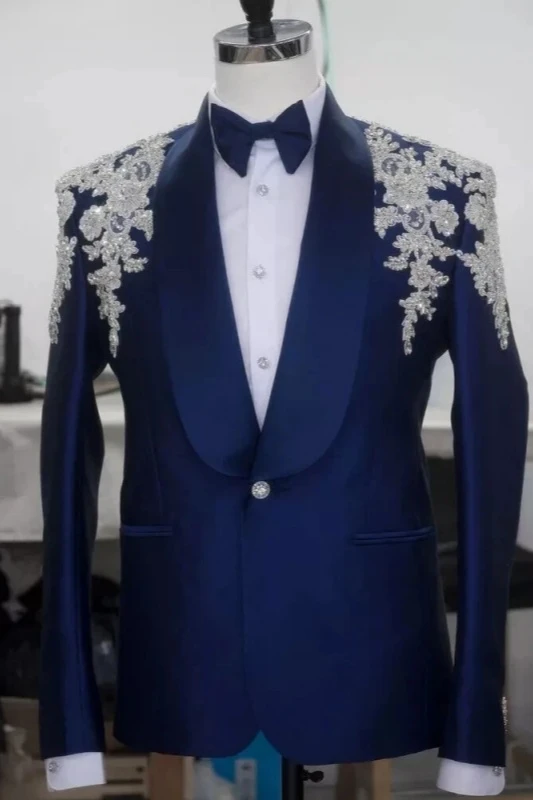
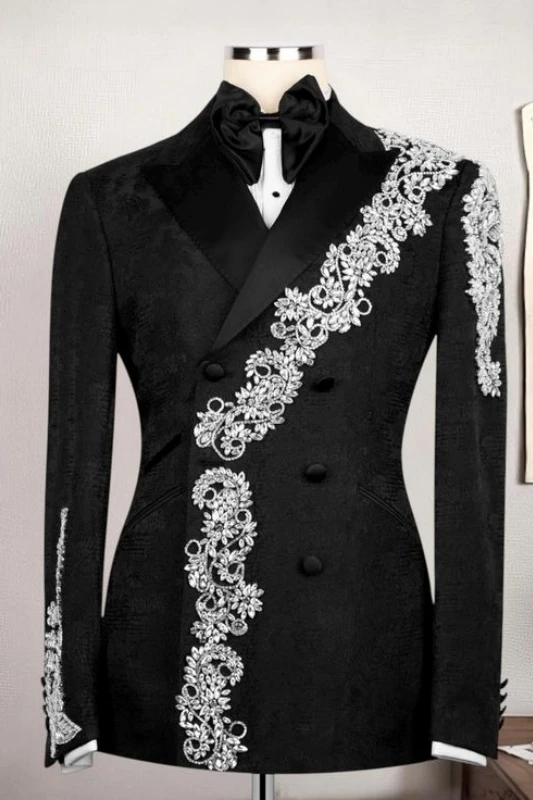
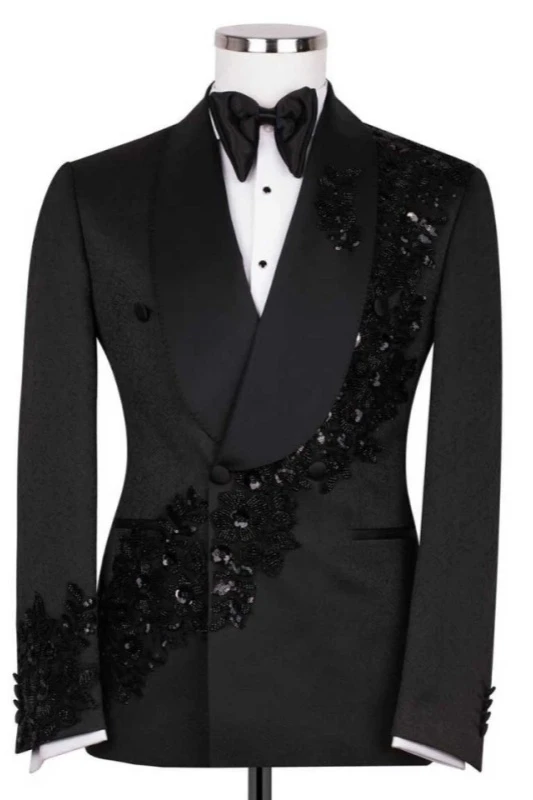

To the point, gentlemen, if you plan to have a custom suit made, I strongly recommend saving this information!
First, start from the practical purpose and choose the style type of the suit based on the occasion. This will give you a general direction. For example: If you often need to conduct business negotiations, then it's clear that you need a business suit; if you want to wear it for a wedding, then the style should also take into account both the use on the wedding day and after the wedding.
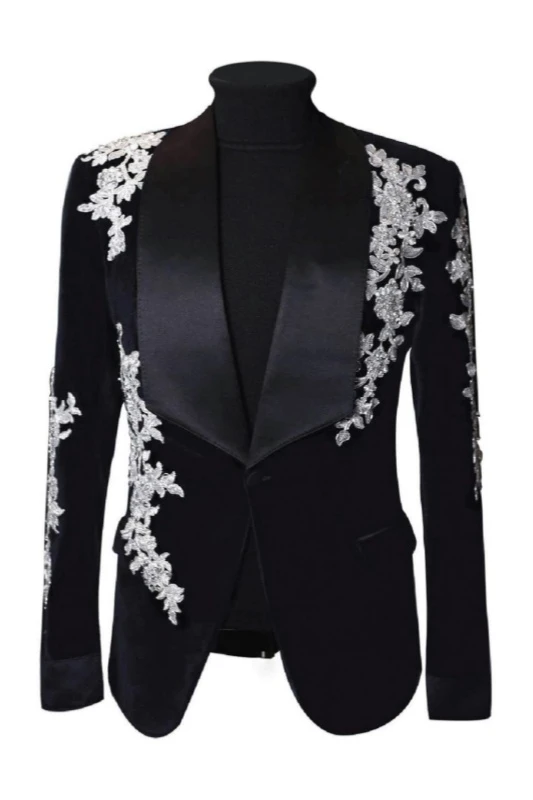
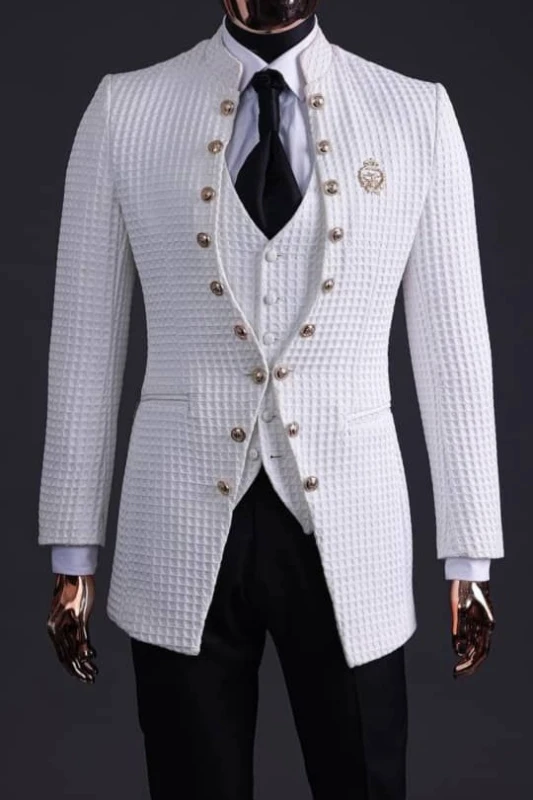
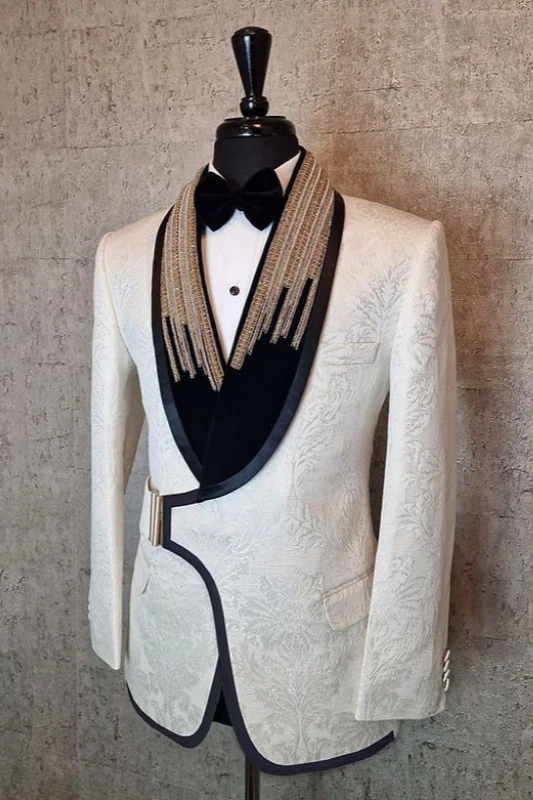
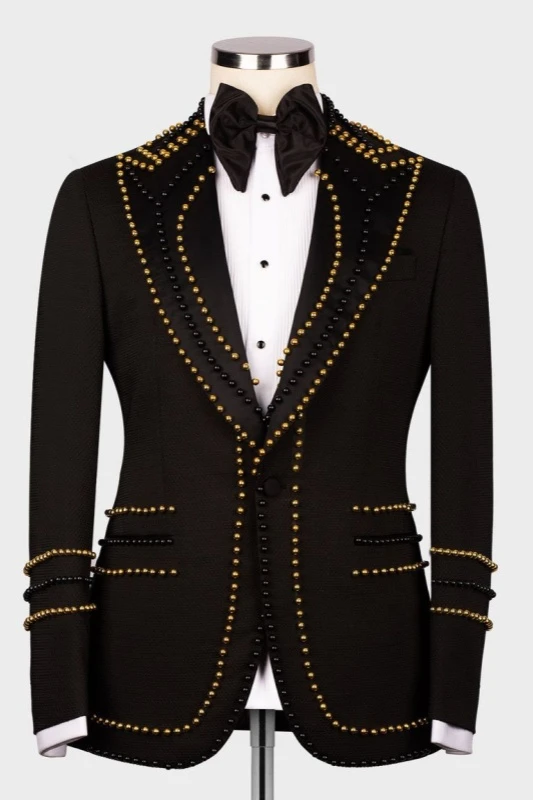
What you need to consider is to select the fabric's material and thickness according to the season, and choose the color and style of the fabric according to the occasion.
Even if you don't understand these, don't worry. Just leave these questions to your dressing consultant. They have received systematic training in clothing design and matching, and have experience in providing custom suits for many clients. You just need to enjoy these services.
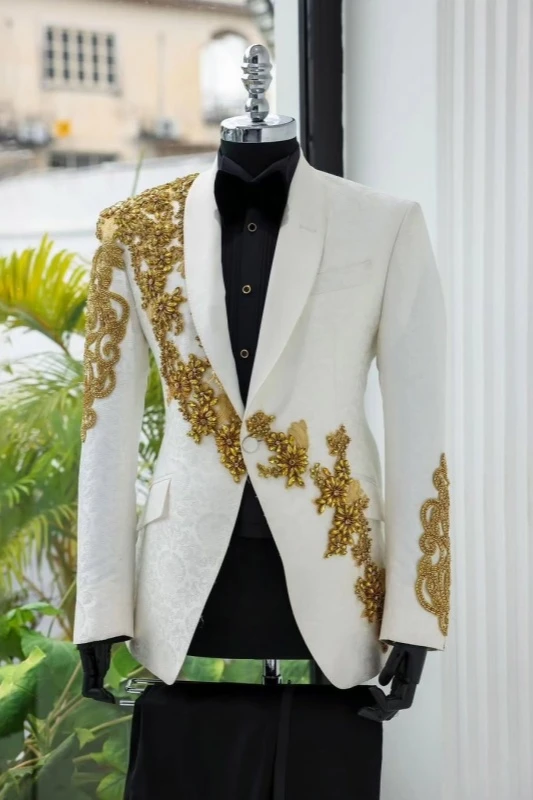
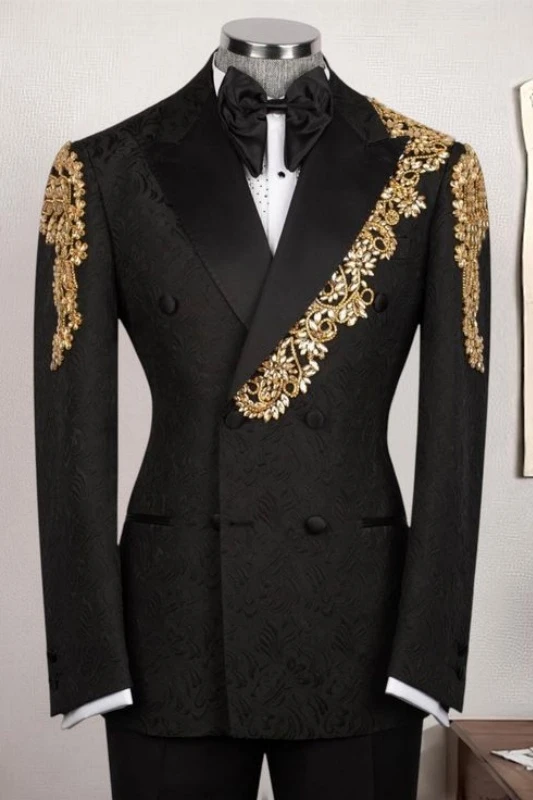
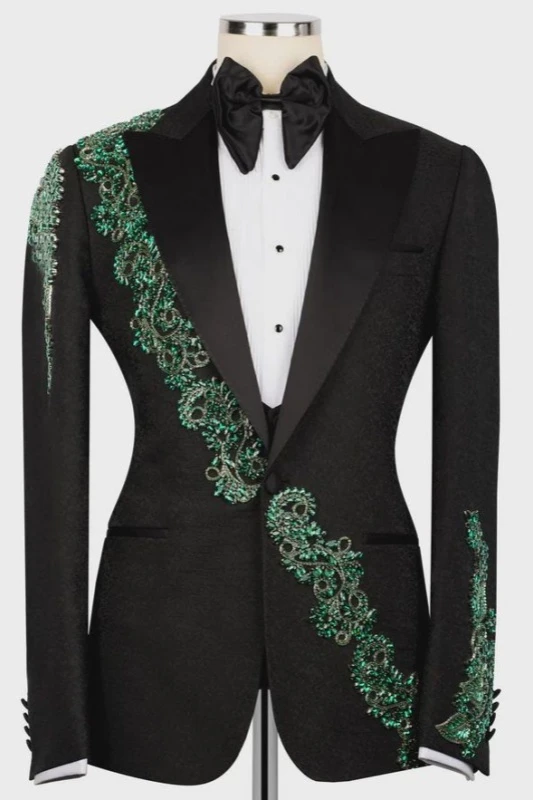
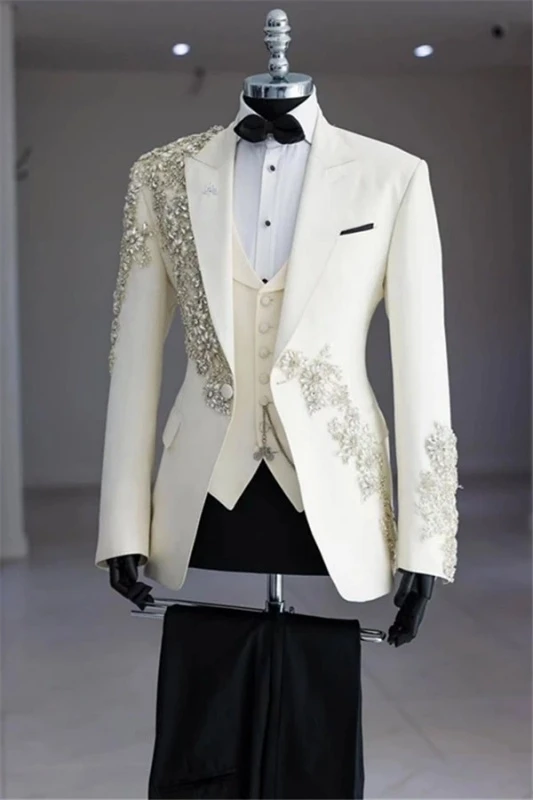
At this time, you can also inquire about the production cycle, especially for customers who need to wear a suit on a specific occasion. This is very important. If it doesn't match your expectations, choose another option quickly.
After confirming the style, the next step is to have a certain price budget in mind. Why? If you don't have a budget in mind regarding the price, the dress consultant's recommendation of fabrics will be very confusing. A mountain of fabric books will be placed in front of you, trying to test which price range you are willing to accept. Trying too many options may make you feel confused instead.
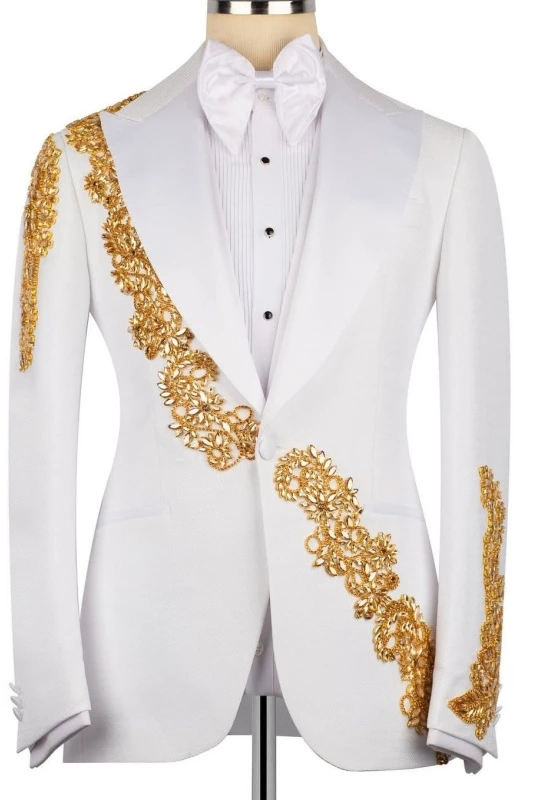

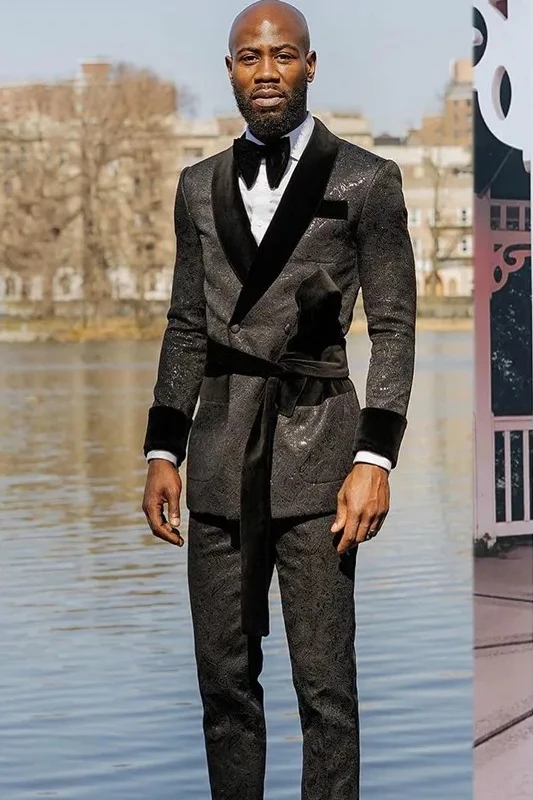

If you are unsure about the price, it is recommended to first visit the shopping mall and check the prices of ready-to-wear suits. It is best to choose a store that offers both ready-made clothing and customization services, and compare it with the ready-made clothing. This way, you will have an idea of the price range.
Generally speaking, custom fabrics are mainly divided into domestic fabrics, imported fabrics, and luxury brand fabrics. They also reflect different price ranges. Domestic fabrics are usually the entry-level ones, reflecting the threshold of this customization store; imported fabrics are recommended for customers as an upgrade option, with the largest variety of fabrics, reflecting the concentrated price range; as for luxury brand fabrics, such as Sejiaobao, Zegna, and Ruyoupianyi, they are reserved for the wealthy.
However, regardless of the price, at least the semi-nylon lining process must be ensured. This is a major direction that cannot be compromised. If this point cannot be guaranteed, even the best fabric is a waste. Ordinary bonding lining processes will reduce the lifespan of the suit and make the workmanship dull and not breathable.
There are also other process details that you should have an idea of. For example: Binbairei fabric, horn buttons, Haisha padded shoulders, YKK zippers... Of course, the processes used by different factories may also be different. If you are unsure, you can ask, indicating that you are very concerned about the details, which will also reduce the probability of being cheated.
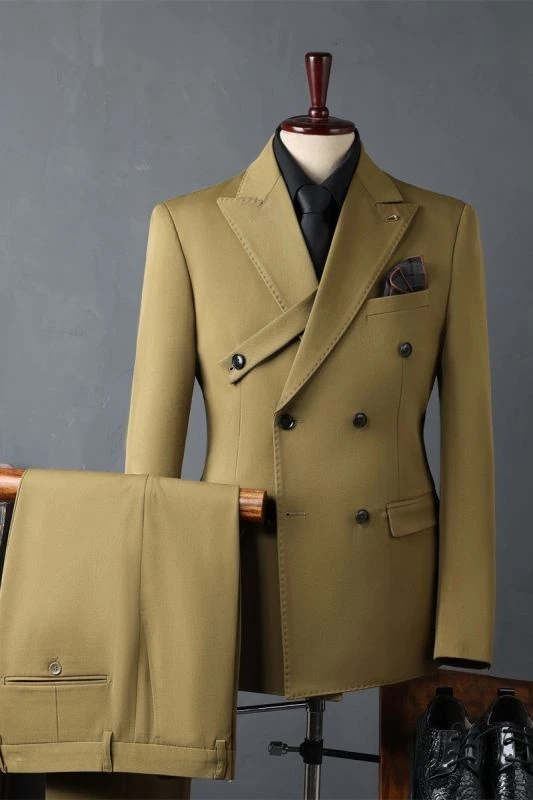
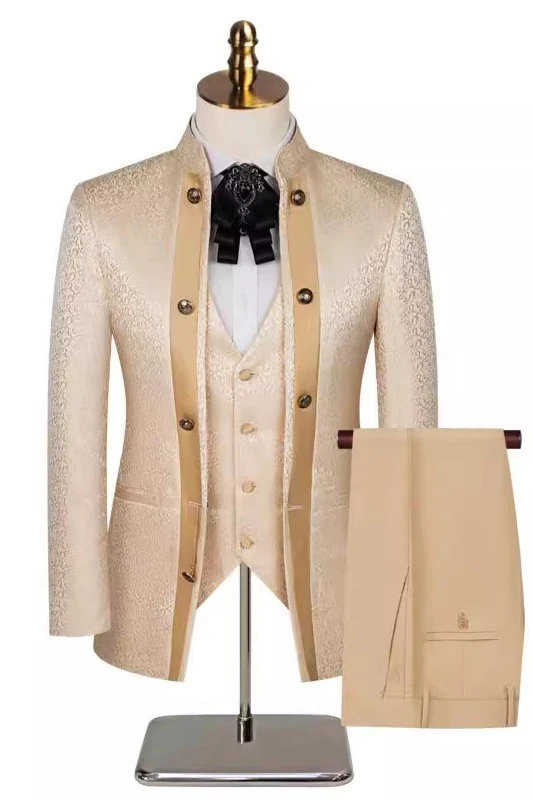
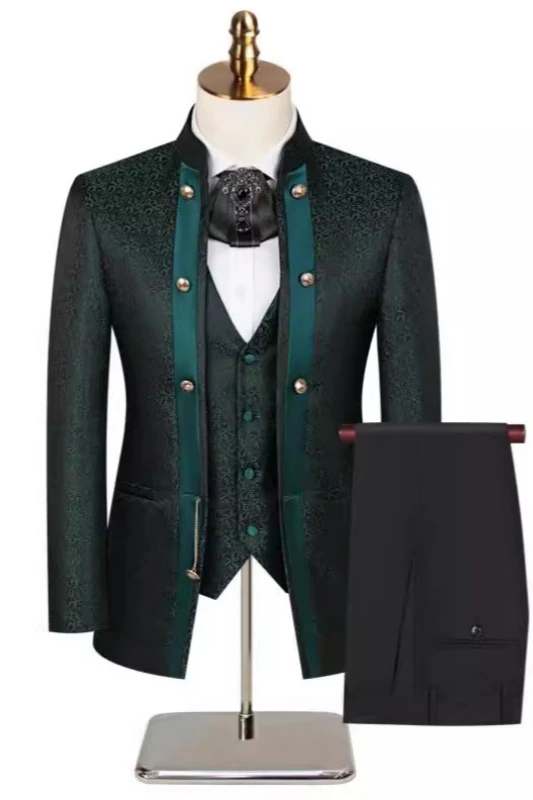
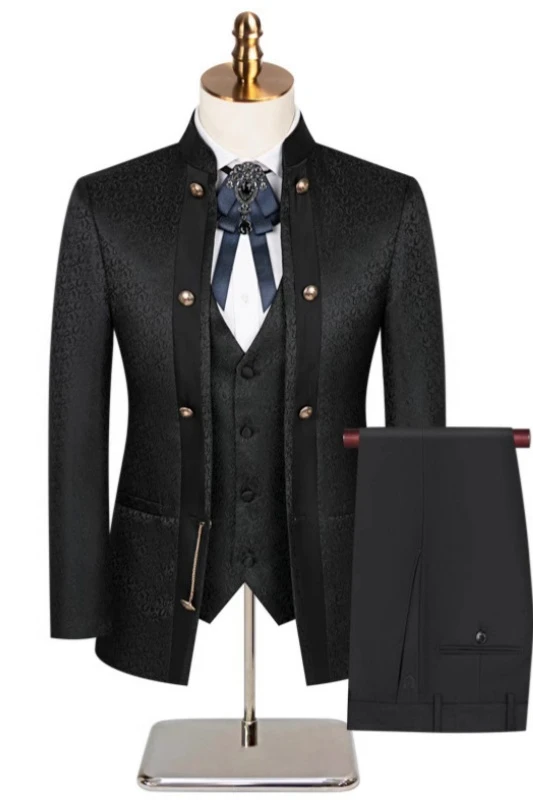
Next, you need to choose a fabric made of 100% wool. Here, 100% wool refers to a fabric with a wool content of 90% to 100%. Of course, it would be best if it reaches 100%, unless you need to add a small amount of other properties to the fabric. For example: if you need a slight stretch effect, you will use spandex; if you need to enhance smoothness and brightness, you will use silk.
After having a budget for the price, you should start looking for color and pattern options. How to do that?
The simplest way is to look at a large number of pictures of suit models. Save the colors and patterns you like first, and then show them to the dressing consultant to let them pick the closest few for you. This way, when you see the fabric samples in the book, you won't be confused and won't be unable to imagine how the suit would look like in your mind.
When you are unsure which fabric suits you best, there is a small trick to share with you: Take the selected pieces of fabric and place them on your wrist and neck respectively, and observe the visual effect. Choose the one that looks the most comfortable.
When it comes to these details, you should have a preliminary understanding of the selection of suit fabrics. Also, there is the process of taking measurements. Here, we are not talking about how to take measurements, but rather some small details that need attention. The prerequisite for doing this well is that both parties have good communication and cooperation. It also affects the accuracy of the measurement data.
For example, our dressing consultants and customer service staff often remind you when you make an appointment for an on-site measurement: "We recommend that you wear a fitted shirt and trousers. Please do not wear loose clothing such as jeans or sportswear (especially for ladies, do not wear dresses or wide-leg pants) to avoid affecting the collection of your body data."
There is also an important detail during the measurement process. Many customers deliberately hold their chests out and look up while constantly correcting their posture. However, this is unnecessary. What you need to do is to stand with your feet together, place your hands on both sides, and maintain a natural stance. Remember, this is a natural and relaxed state, not a "military stance".
Having covered the small details of suit customization, have you understood? Winter mode is more suitable for customizing suits.