

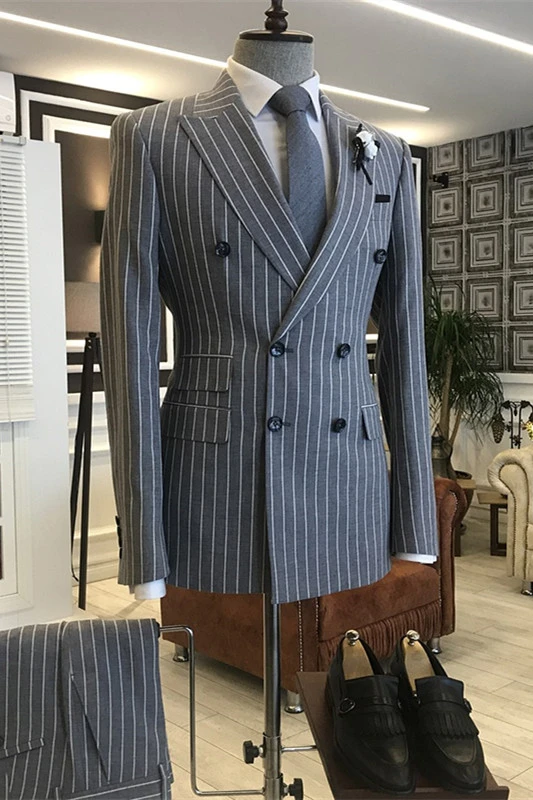
It's not the cold air that you have to worry about sneaking up on you unannounced. What you really dread is that even if it does approach you, you won't be able to withstand it!
So, to prepare for its arrival, people started stockpiling warm-weather gear, wrapping themselves up in thick clothes and creating a sense of ceremony. Sometimes, however, they found that thickness and insulation are not always directly proportional.
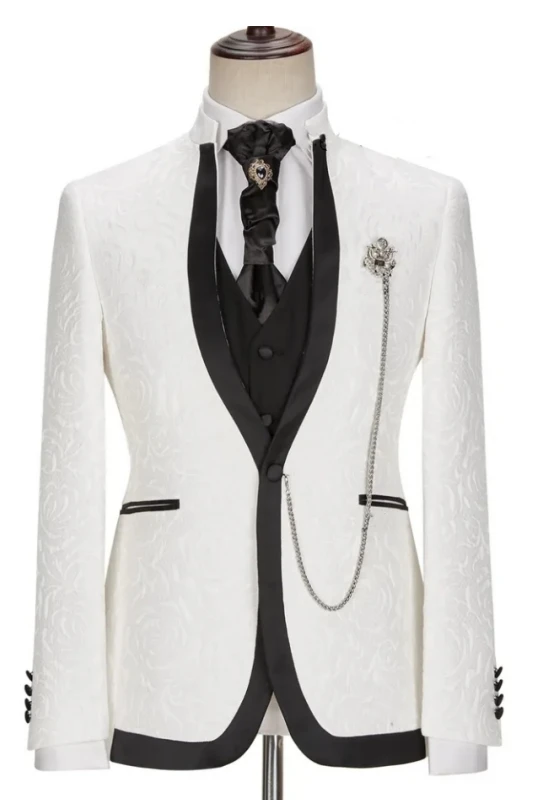
Especially in some of the humid and cold areas in the south, the cold air has escalated from physical damage to magical damage. Even though we are dressed very thickly, we still can't control the trembling of our bodies. This is because we haven't mastered the proper way to keep warm.
When you wear overly bulky clothes, not only do they look unattractive, but they also offer poor insulation. So it's not worth it. So Uncle Bang is here to teach you a "sandwich" style of dressing, to help you retain heat during the cold winter.
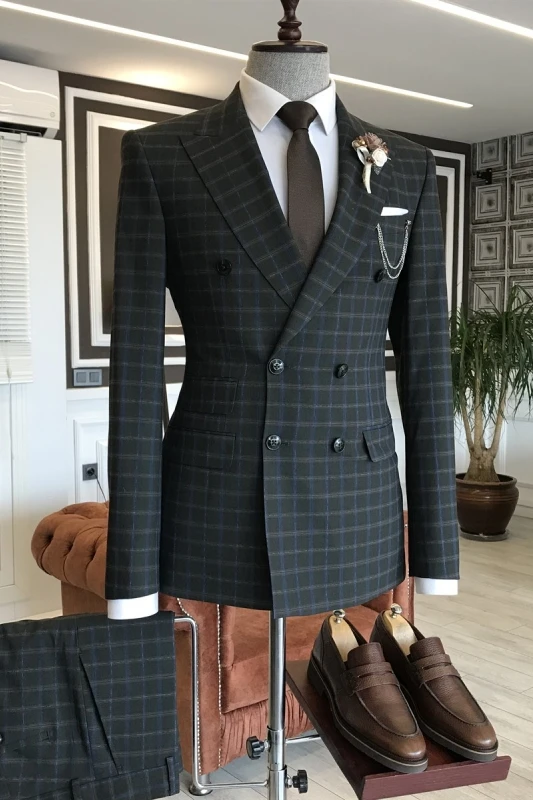
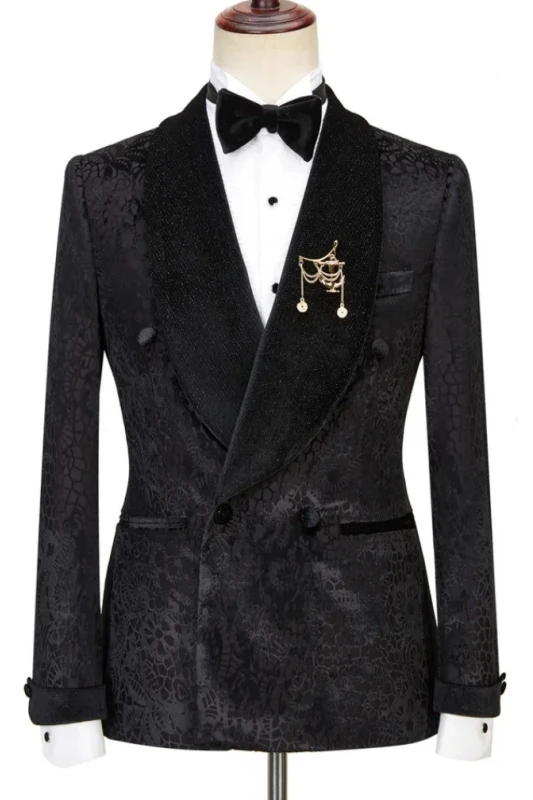
This smart way of keeping warm, through "internal layering, external protection, and middle insulation", creates three layers of protection.
The material of the sweat-wicking clothing should be chosen correctly.
When it comes to wearing warm and comfortable clothing close to the body, some people immediately think of thick fleece underwear with a lot of fluff. Although it has a strong warming effect, after wearing it for a long time, it becomes noticeably damp.

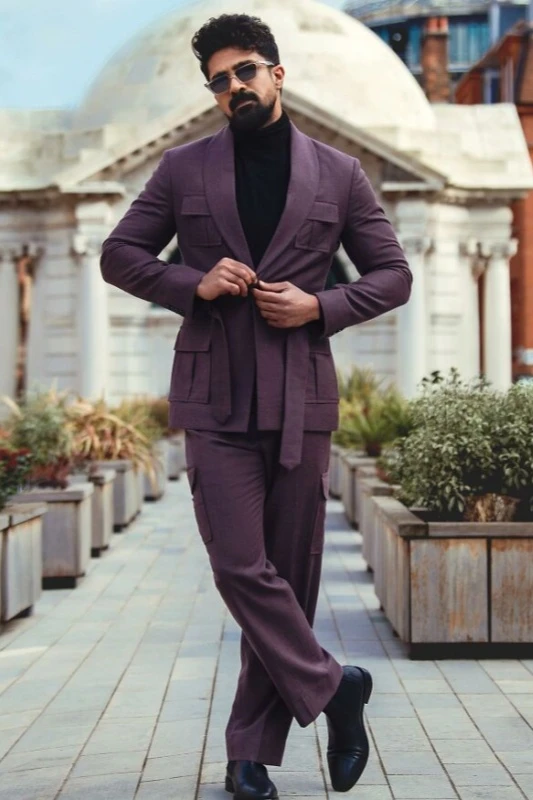
Humidity and temperature jointly determine the warming effect. As the sweat-wicking clothing that directly contacts the skin and generates heat, the primary consideration when designing it is the moisture-wicking and sweat-removing performance.
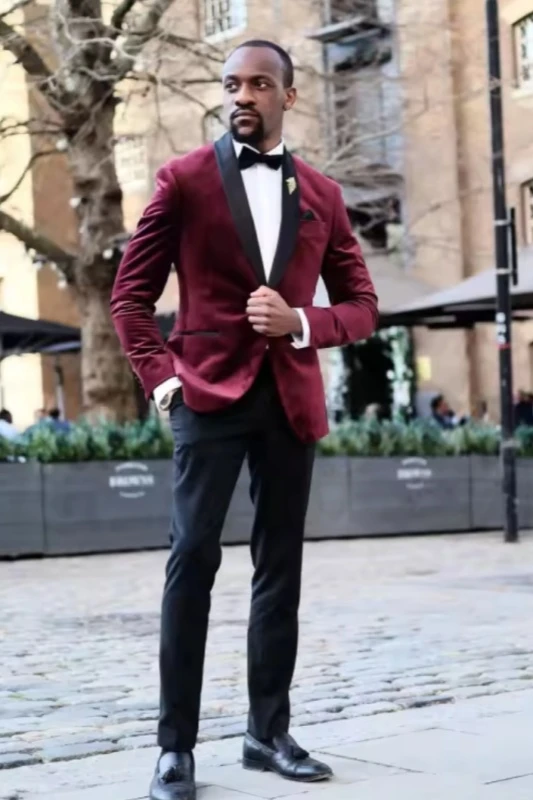
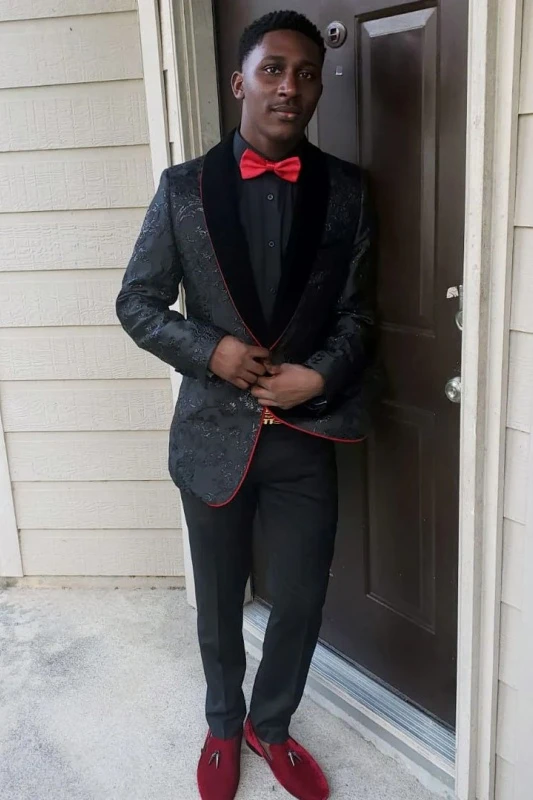
So in the cold and damp winter, technological fabrics with outdoor performance properties will perform much better than cotton garments. They significantly reduce the feeling of cold and dampness on the skin surface, and have excellent comfort and sweat-wicking properties.
For example, lyocell fiber. This is a new type of clothing fabric that emerged in Europe and America in the mid-to-late 1990s. "Lyocell" fiber uses recycled bamboo, wood, and other materials that have been crushed and formed into pulp as raw materials. Through advanced processing, its solvent recovery rate reaches as high as 99.7%, making it more environmentally friendly and energy-saving.

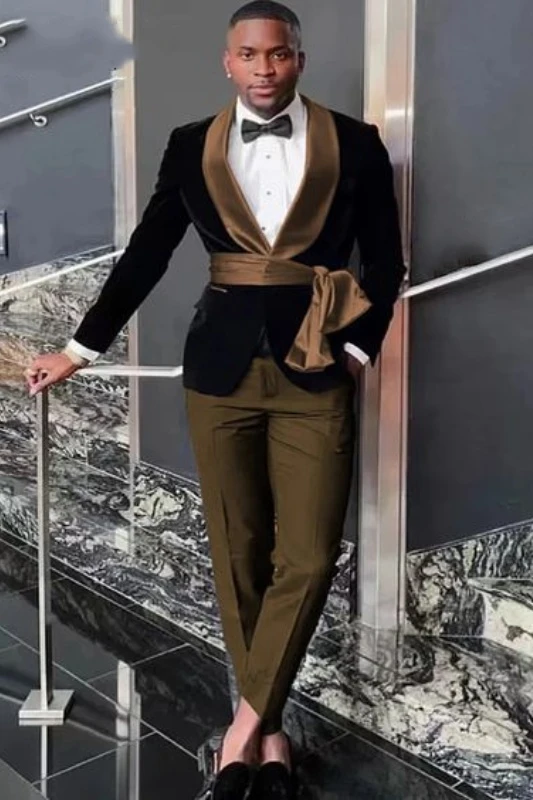
Clothing made from this fiber not only has a natural luster, smooth texture, high strength, and almost no shrinkage, but most importantly, it has good moisture absorption and breathability.
The insulation layer is responsible for retaining the temperature.
The insulation layer is located in the middle layer of the entire clothing system and also plays a stabilizing role. The main purpose of the clothing is to lock the body's naturally generated heat inside the clothes, just like an insulated cup that keeps the body warm.
The intermediate layer clothing that can achieve such an effect is undoubtedly "sweaters". But can simply wearing a few sweaters achieve a good result? The answer is: Not necessarily!
The warmth retention performance of sweaters is related to their own material and how much air they can trap.
When we were kids, the sweaters we wore had thick yarn and were woven very densely, but they didn't provide good insulation because they didn't form many air layers.
However, wool sweaters have excellent insulation properties because there are many tiny gaps between the fibers and the micro-structural units such as the original fibers and micro-fibers, which contain a lot of air and form air layers.
For the middle layer of clothing, it is recommended not to wear too many pieces. It is best to have just one piece that can provide adequate warmth. If the weather gets colder, then you can replace it with a cashmere sweater.
The crimp of cashmere is greater than that of wool. During the spinning and weaving process, it is arranged closely and has good cohesion, which can trap more air layers. Therefore, its thermal insulation property is 1.5 to 2 times that of wool.
The windproof layer must firmly block the wind.
The function of the windproof layer is, as you can understand from its name, that the outermost layer of clothing needs to be able to withstand the effects of harsh weather such as cold wind, rain, and snow. That's why when the cold wind strikes, we don't wear a woolen sweater on the outside to face the challenge. Doing so would only disrupt the static air layer stored by the woolen sweater, turning it into a flowing air that would carry away the heat on the body surface.
- Recommendation 1: Leather Jacket
- Thermal Insulation Effect: ★★★☆
- Features: This leather jacket is made of genuine leather. People who like it will be unable to put it down. The boys who wear it are very "masculine". It doesn't make one look bulky and has an extremely strong windproof effect, which is why motorcycle enthusiasts like it.
- Recommendation 2: Wool Coat
- Thermal Insulation: ★★★★★
- Features: "Coat", it inherently possesses an elegant demeanor. Not only does it help you get rid of the bulky and cumbersome look of winter, but it also adds a touch of dominance to your appearance. What's more, men wearing this coat can exude an extraordinary air of grace.
- Recommendation 3: Down Jacket
- Thermal Insulation Effect: ★★★★★
- Features: Down jackets are lightweight and warm. They are filled with duck or goose down, which has excellent fluffiness and can store a large amount of air. At the same time, the closed loop formed inside can prevent air from flowing, locking in heat firmly.
In summary: To achieve a warm winter outfit, we need to learn the "sandwich" style of dressing and implement three layers of protection. The sweat-wicking layer should be comfortable and breathable, the insulation layer should trap more air, and the windproof layer should block the cold wind.